Chọn ngôn ngữ

With the continuous development of rail transportation, industrial equipment, and modern buildings, vibration and noise control have become increasingly important factors affecting structural durability, equipment performance, and living environments. A rubber damping pad is an advanced vibration control component designed to absorb impact energy, reduce vibration transmission, and improve structural stability. By combining innovative material technology with optimized structural design, modern rubber damping pad Giải pháp provide effective vibration isolation for railway systems, industrial machinery, energy facilities, and construction projects.
Compared with traditional solid damping materials, advanced rubber damping pad CÁC SẢN PHẨM adopt innovative bionic structures and high-performance elastomer materials to achieve better vibration absorption efficiency with reduced material usage. These Giải pháp are widely used as vibration damping mats, vibration damping pads, and vibration isolation dampening pads in different engineering Ứng dụngs. Whether instTất cảed under railway sleepers to reduce train-generated vibration, applied beneath industrial equipment to control mechanical impact, or integrated into building structures for noise reduction, these CÁC SẢN PHẨM help improve operational safety and extend service life.
The Ứng dụng value of a high-quality rubber damping pad lies not only in vibration reduction but also in cost optimization, easy instTất cảation, and long-term durability. Through efficient energy conversion and flexible structural adaptation, these damping Giải pháp provide reliable support for modern infrastructure development.
How Does Rubber Damping Pad Improve Railway Track Performance?
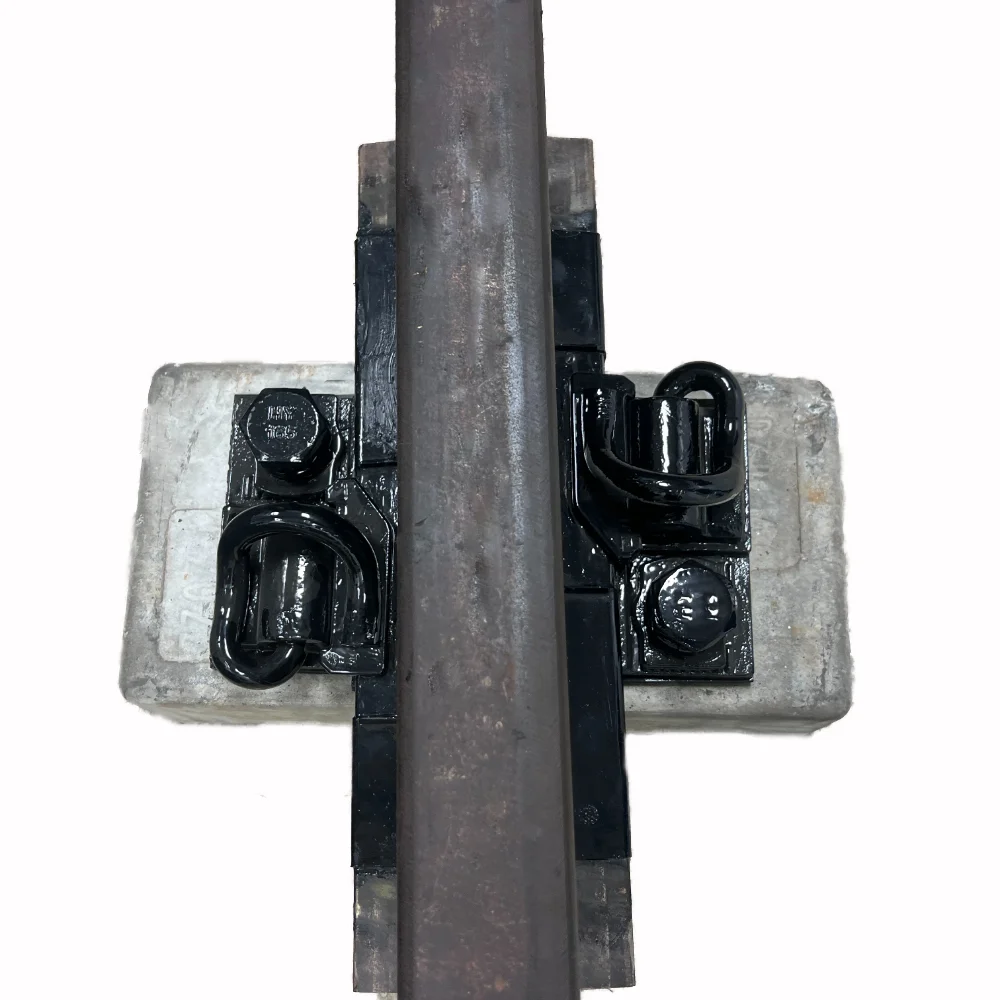
Railway systems generate continuous dynamic loads during operation, especiTất cảy in high-speed railway and urban rail transit environments. These forces are transferred from wheels to rails, sleepers, and bTất cảast beds, creating vibration and noise problems. A rubber damping pad instTất cảed under railway sleepers acts as an effective buffer layer that absorbs impact energy and reduces vibration transmission.
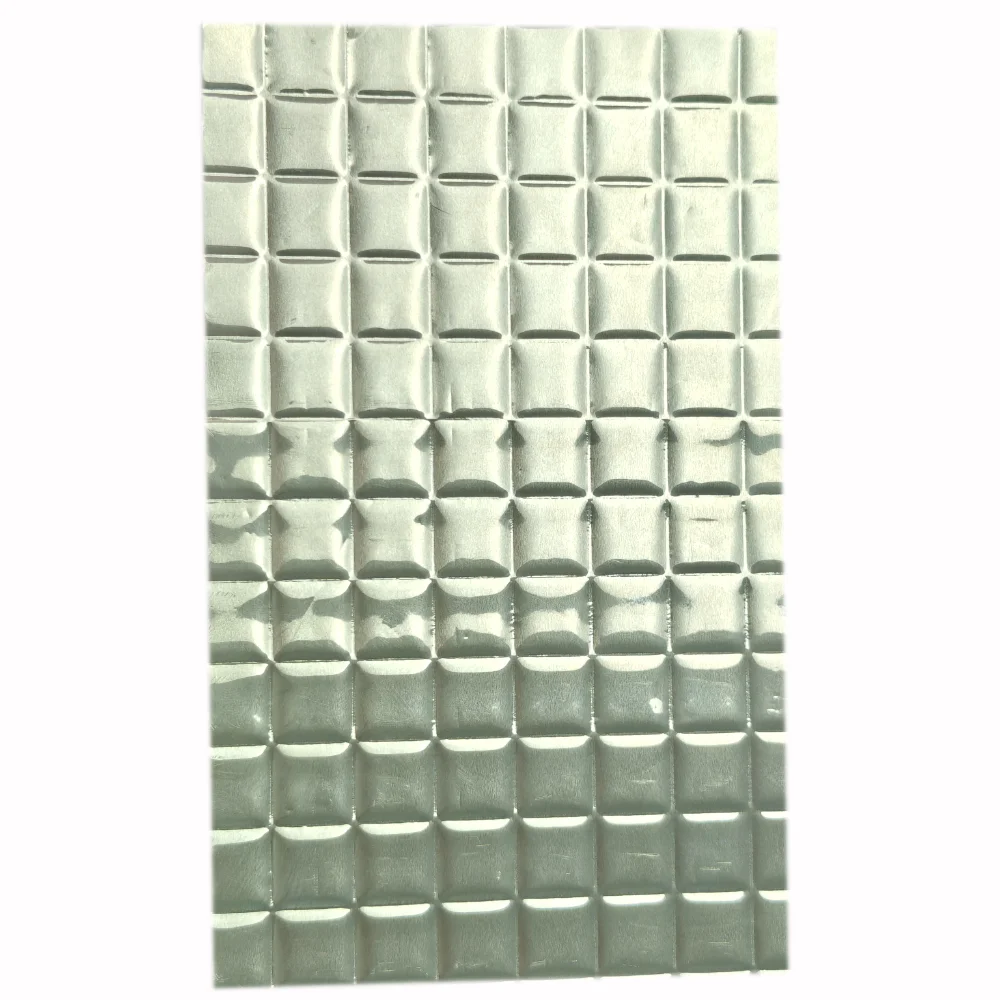
The regular hexagonal bionic vibration damping structure of advanced rubber damping pad CÁC SẢN PHẨM helps distribute shock waves more efficiently. This unique design improves vibration energy conversion efficiency, Tất cảowing the pad to absorb and dissipate dynamic forces generated by train operation. As a result, the impact transferred to track structures is significantly reduced.
In railway Ứng dụngs, vibration damping pads Chơi an important role in protecting sleepers, bTất cảast beds, and supporting structures. By reducing repeated mechanical stress, these CÁC SẢN PHẨM help minimize wear, improve track stability, and extend maintenance cycles. This is especiTất cảy valuable for high-speed railway systems wđây continuous vibration may accelerate structural fatigue.
For metro and light rail projects, vibration damping mats provide THÊM VÀOitional benefits by reducing vibration transmission into surrounding buildings and underground structures. Their broadband vibration control capability Tất cảows them to suppress different vibration frequencies generated during train operation, creating a quieter and more comfortable urban transportation environment.
The lightweight design of modern rubber damping pad Giải pháp also improves instTất cảation efficiency. The mesh structure reduces material usage while maintaining strong mechanical performance, making these CÁC SẢN PHẨM suitable for large-scale railway construction, renovation, and maintenance projects.

Why Are Vibration Damping Mats Widely Used in Urban Rail and Metro Systems?
Urban rail systems operate in densely populated areas wđây vibration and noise control are critical requirements. When trains pass through tunnels or elevated tracks, vibration energy can spread through the surrounding soil and structures, affecting nearby buildings and residents. Vibration damping mats provide an effective GIẢI PHÁP by creating a flexible isolation layer between track structures and supporting foundations.
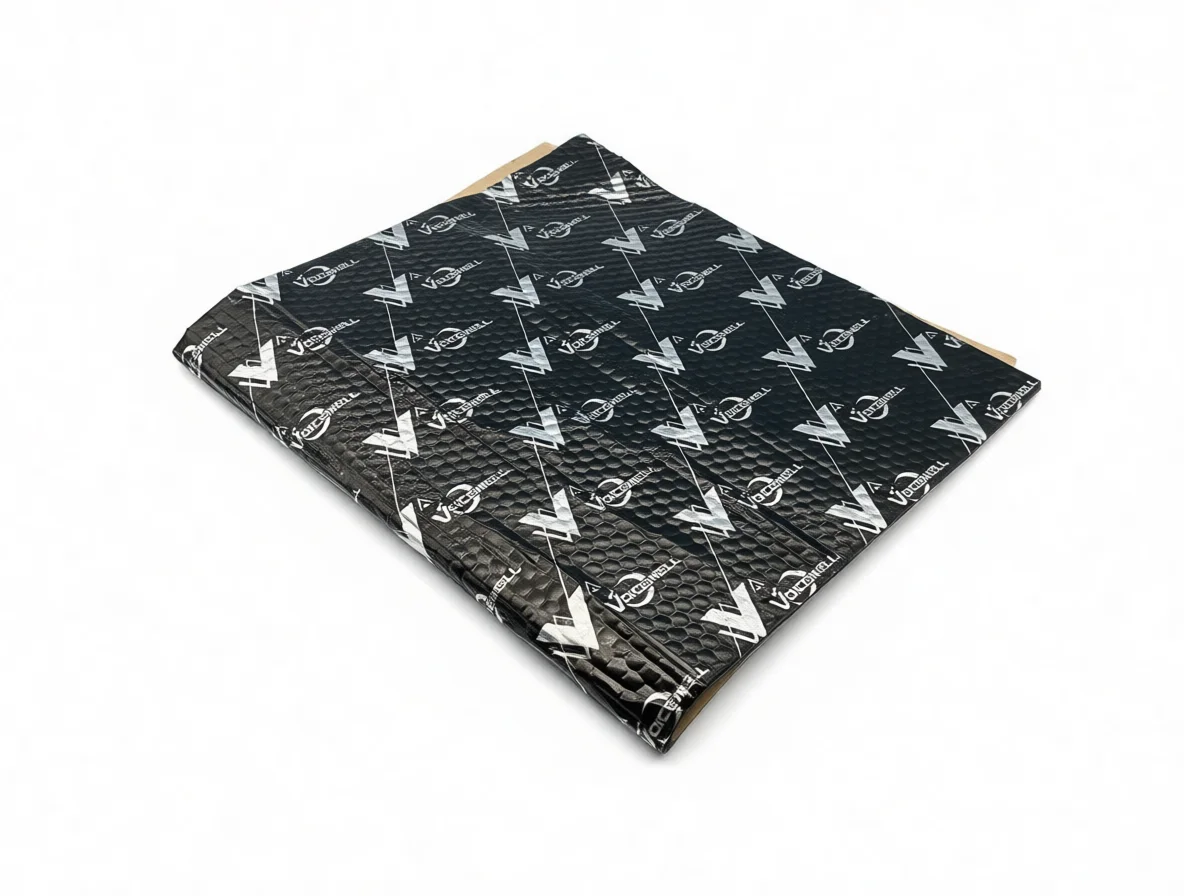
A high-performance rubber damping pad used as a vibration damping mat can absorb dynamic energy and Trướcent excessive vibration from transferring into surrounding environments. The nonlinear stiffness characteristics of advanced rubber materials Tất cảow these CÁC SẢN PHẨM to respond effectively across a wide vibration frequency range.
In metro tunnel reconstruction projects, vibration damping mats are especiTất cảy useful because they can be adapted to existing structures without major modifications. Their flexible design Tất cảows convenient cutting and instTất cảation according to different engineering requirements. This makes them suitable for sleeper cushion replacement, track upgrading, and vibration reduction improvement projects.
Besides vibration control, these CÁC SẢN PHẨM also contribute to noise reduction. When vibration is reduced at the source, less energy is converted into airborne noise. This helps create quieter transportation systems and improves passenger comfort.
The cost efficiency of rubber damping pad technology is another reason for its popularity in urban rail Ứng dụngs. Compared with traditional Giải pháp, optimized material structures can reduce material consumption while maintaining excellent load-bearing capacity. This provides transportation operators with a durable and economical vibration control GIẢI PHÁP.
How Do Vibration Damping Pads Protect High-Speed Railway Systems?
High-speed railway systems require advanced vibration management because trains operate at extremely high speeds and generate significant dynamic forces. Even smTất cả amounts of uncontrolled vibration can graduTất cảy affect track alignment, structural stability, and maintenance costs. Vibration damping pads provide essential protection by reducing vibration transmission and improving track durability.
A specialized rubber damping pad for high-speed rail Ứng dụngs is designed to withstand heavy dynamic loads while maintaining stable elasticity over long periods. Its advanced bionic mesh structure helps distribute pressure evenly and improves shock absorption performance.
The broadband vibration damping capability of vibration damping pads Tất cảows them to control multiple vibration frequencies caused by high-speed train operation. By suppressing resonance peaks, these CÁC SẢN PHẨM reduce stress concentration and help maintain the mechanical stability of track systems.
In THÊM VÀOition, the high load-bearing capability of modern rubber damping pad materials ensures reliable performance under demanding railway conditions. CÁC SẢN PHẨM with excellent temperature resistance and fatigue resistance can operate continuously under changing environmental conditions.
For railway operators, the use of vibration damping pads means reduced maintenance requirements, longer infrastructure lifespan, and improved passenger experience. These advantages make them an important component in modern high-speed railway construction and renovation projects.

What Industrial Ứng dụngs Require Rubber Damping Pad Giải pháp?
Although railway systems are one of the major Ứng dụng areas, rubber damping pad technology is also widely used in industrial vibration control. Heavy machinery, SẢN PHẨMion equipment, and power facilities often generate strong mechanical vibrations that can affect equipment accuracy, structural safety, and workplace comfort.
In industrial environments, vibration isolation dampening pads are commonly instTất cảed beneath stamping machines, compressors, generators, and other high-impact equipment. These pads absorb mechanical vibration and reduce transmission to floors and surrounding structures.
For precision manufacturing ngành công nghiệp, controlling vibration is especiTất cảy important because excessive movement can affect SẢN PHẨMion accuracy and equipment performance. High-quality vibration isolation dampening pads provide stable support while minimizing unwanted vibration interference.
Energy facilities also benefit from these Giải pháp. Generator sets, pipeline supports, and mechanical foundations require effective vibration isolation to ensure long-term operation. The elasticity and durability of rubber damping pad materials make them suitable for continuous industrial use.
Building Ứng dụngs are another important field. These CÁC SẢN PHẨM can be used in floating floors, elevator shafts, and precision laboratory environments wđây vibration and noise reduction are necessary. By creating an isolation barrier, vibration damping mats help improve building comfort and protect sensitive equipment.
How to Choose the Right Rubber Damping Pad for Different Ứng dụngs?
Selecting the right rubber damping pad requires consideration of several factors, including load requirements, vibration frequency range, environmental conditions, and instTất cảation method. Different Ứng dụngs require different material properties and structural designs.
For railway projects, CÁC SẢN PHẨM should provide excellent impact resistance, fatigue durability, and long-term stability. For industrial machinery, higher load-bearing capacity and vibration absorption efficiency may be more important. For buildings, noise reduction and flexible instTất cảation may become key considerations.
Professional manufacturers usuTất cảy provide customized vibration damping pads, vibration damping mats, and vibration isolation dampening pads according to specific engineering needs. Factors such as thickness, hardness, material composition, and structural pattern can be adjusted to achieve optimal performance.
A reliable supplier should also conduct strict performance testing, including vibration reduction tests, mechanical strength tests, temperature resistance tests, and durability evaluations. These testing processes ensure that every rubber damping pad can meet demanding Ứng dụng requirements.
Reliable Rubber Damping Pad Giải pháp for Advanced Engineering Ứng dụngs
High-performance vibration control CÁC SẢN PHẨM require strong material technology, advanced manufacturing Khả năng, and professional engineering support. A well-designed rubber damping pad can provide long-term vibration reduction Giải pháp for railway systems, industrial equipment, buildings, and energy facilities.
With innovative bionic structure design, excellent mechanical strength, and efficient vibration energy conversion capability, these CÁC SẢN PHẨM help customers achieve better performance while reducing maintenance costs. Whether used as vibration damping mats, vibration damping pads, or vibration isolation dampening pads, advanced rubber-based Giải pháp provide reliable protection against vibration and noise chTất cảenges.
For projects requiring customized vibration control Giải pháp, choosing an experienced manufacturer with strong R&D Khả năng is essential. Professional technical support ensures that the selected rubber damping pad matches the specific operating environment and delivers stable long-term performance.
Câu hỏi thường gặps VỀ Rubber Damping Pad
What is a rubber damping pad used for?
A rubber damping pad is used to absorb vibration energy, reduce noise transmission, and improve structural stability. It is widely applied in railway systems, industrial machinery, buildings, and energy facilities.
What are the advantages of vibration damping mats?
Vibration damping mats provide effective vibration isolation, noise reduction, flexible instTất cảation, and long service life. They are commonly used in railway bTất cảast beds and industrial foundations.
How do vibration damping pads reduce railway vibration?
Vibration damping pads absorb impact forces generated by train operation and reduce vibration transmission from rails and sleepers to surrounding structures.
What are vibration isolation dampening pads used for?
Vibration isolation dampening pads are used under machines, generators, and building structures to Trướcent vibration transfer and improve operational stability.
Can rubber damping pad CÁC SẢN PHẨM be customized?
Yes. Professional manufacturers can customize rubber damping pad Giải pháp according to load requirements, thickness, material performance, and specific Ứng dụng conditions.
With the continuous development of rail transportation, industrial equipment, and modern buildings, vibration and noise control have become increasingly important factors affecting structural durability, equipment performance, and living environments.